






Popular Canadian foods make more sense once you stop looking for one national cuisine and start looking at regions. Canada’s food culture reflects Indigenous traditions alongside French, British, Acadian and later immigrant influences, which is why Quebec poutine, Ontario butter tarts, British Columbia Nanaimo bars and Atlantic seafood can all feel equally “Canadian”.
For someone moving from the UK, that regional variety is part of settling in. The quickest introduction is to try a few famous dishes first, then follow the local food of the province you actually live in because what feels everyday in Montreal can be a novelty in Vancouver or Halifax. If the move itself is still being planned, pair the food research with the GOV.UK guide to living in Canada for practical residency and settlement context.
If you are already comparing the practical cost of the move, the PSS international removals cost calculator can give you a separate shipping estimate while you budget for housing, food and the first weeks after arrival.
Key Takeaways
- Poutine, maple syrup, butter tarts, Nanaimo bars and tourtière are among Canada’s most recognisable foods.
- Canadian cuisine is highly regional, with French Canadian, Acadian, Indigenous and provincial traditions contributing different dishes.
- Quebec is strongly associated with poutine, tourtière and sugar-shack maple foods, while Atlantic Canada is known for seafood and regional comfort dishes.
- Ontario is closely associated with butter tarts and Toronto’s peameal bacon sandwich, while British Columbia gave its name to the Nanaimo bar.
- Newcomers should try local specialities where they originated because the context is often as important as the recipe.
The most popular traditional Canadian foods
Traditional Canadian food is a collection of regional dishes rather than a fixed national menu. Poutine is probably the most internationally recognisable savoury dish, while maple products, butter tarts, tourtière, Nanaimo bars, bannock and Atlantic seafood show how different parts of the country developed their own staples.
A useful first list looks like this:
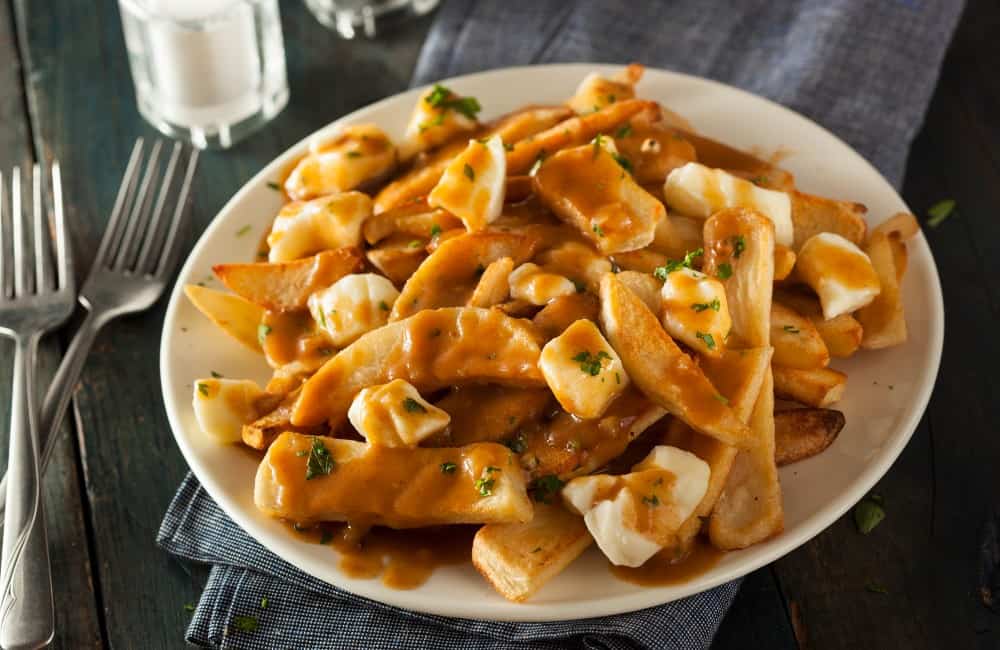
- Poutine. Chips topped with fresh cheese curds and gravy, strongly associated with Quebec and now found across Canada. The Canadian Encyclopedia overview of poutine is useful background on the dish and its history.
- Tourtière. A savoury meat pie associated with French Canadian holiday tables, especially in Quebec.
- Butter tarts. Small pastry tarts with a rich butter, sugar and egg filling, closely associated with Ontario.
- Nanaimo bars. A no-bake layered square named after Nanaimo in British Columbia, with crumb base, custard-style centre and chocolate top.
- Peameal bacon sandwich. Unsmoked cured pork loin rolled in cornmeal, famously served on a bun at Toronto’s St Lawrence Market.
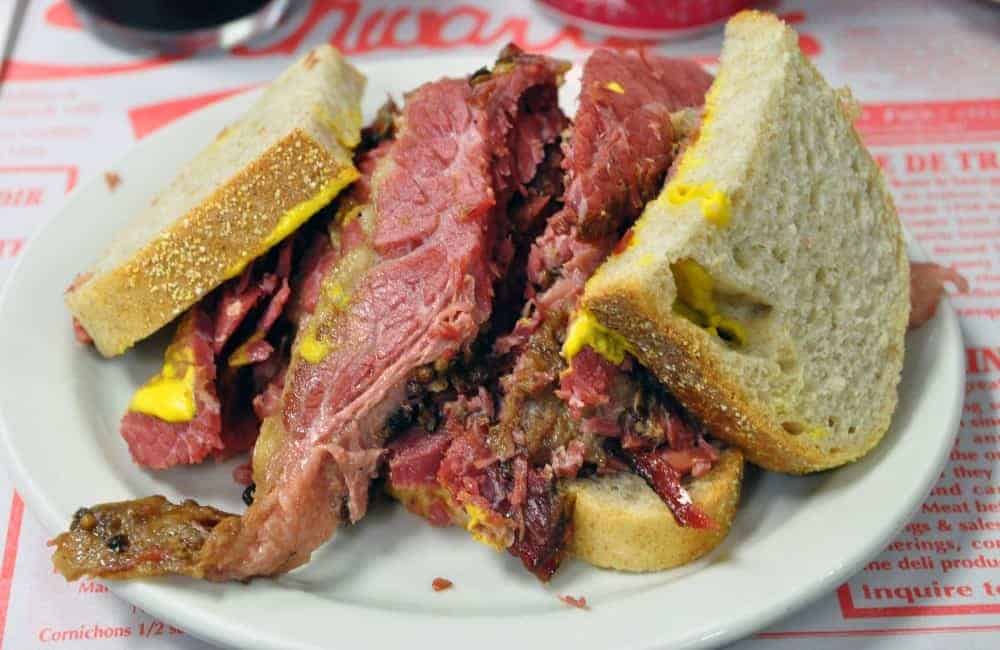
- Montreal smoked meat. Spiced, cured brisket served thickly sliced on rye bread, a signature Montreal deli food.
- Maple taffy. Hot maple syrup cooled on snow until it can be rolled onto a stick, associated with Quebec sugar-shack season.
- Jiggs dinner. A Newfoundland boiled dinner traditionally built around salt beef, vegetables and often pease pudding.
- Saskatoon berry pie. A Prairie dessert using the dark-purple berry native to western and northern North America.
- Bannock. A broad family of breads with complex histories in Canada, including contemporary Indigenous preparations as well as Scottish-derived flour bannock introduced through the fur-trade era. The Canadian Encyclopedia entry on bannock provides useful historical context.
That last example is worth treating carefully because “bannock is Indigenous food” can flatten a more complicated history. Indigenous peoples had bread and grain preparations before European contact, while the word and many flour-based bannock recipes are also connected to Scottish traders. Contemporary Indigenous cooks have made bannock part of living food traditions, therefore the respectful approach is to recognise both context and continuity rather than assign a single simple origin.
Iconic Canadian dishes to try on a first visit
If you only have time for a few iconic dishes, start with poutine, a regional sandwich or meat dish, and something maple-based. That gives you a fast introduction to Canada’s savoury comfort food, regional identity and most famous ingredient without turning the trip into a checklist of sweets.
| Dish | Region or association | Key ingredients | Where or how to try it |
| Poutine | Quebec | Chips, cheese curds, gravy | Quebec casse-croûtes and diners, then variations nationwide |
| Tourtière | Quebec / French Canada | Spiced meat filling and pastry | Holiday tables, bakeries and traditional restaurants |
| Peameal bacon sandwich | Ontario / Toronto | Cornmeal-coated cured pork loin, bun | St Lawrence Market and Toronto cafés |
| Montreal smoked meat | Quebec / Montreal | Cured spiced brisket, rye, mustard | Traditional Montreal delis |
| Lobster roll | Atlantic Canada | Lobster, dressing and soft roll | Coastal seafood shacks in season |
| Jiggs dinner | Newfoundland and Labrador | Salt beef, vegetables, pease pudding | Traditional home-style and Newfoundland menus |
| Bannock | Nationwide, with varied cultural traditions | Flour-based or other bread preparations | Indigenous-owned eateries, festivals and regional venues |
Poutine is the easiest first stop because it is widely available, but the best version is not simply “chips with cheese”. Fresh cheese curds should retain their characteristic texture, while the gravy needs enough body to coat the chips without turning everything immediately to mush.
Classic comfort foods Canada is famous for
Canadian comfort food tends to be hearty because many dishes grew around cold winters, preserved ingredients and family-style meals. Poutine, tourtière, split pea soup and Jiggs dinner therefore feel less like restaurant inventions and more like food designed to be filling, warm and repeatable.
- Poutine: the obvious late-night and road-trip comfort food, with endless regional toppings.
- Split pea soup: strongly associated with French Canadian cooking, traditionally built around dried peas and pork or ham.
- Tourtière: a pastry-centred celebration dish that also works as everyday winter food.
- Jiggs dinner: a Newfoundland Sunday-style meal with boiled meat and vegetables.
- Kraft Dinner: boxed macaroni cheese that became an unusually strong Canadian pop-culture staple despite not being a uniquely Canadian invention.
- Pâté chinois: a Quebec comfort dish of minced beef, corn and mashed potato, visually reminiscent of cottage pie but culturally distinct.
For a British newcomer, some of these foods look familiar because British and French culinary influences overlap with Canadian history. The difference is in local ingredients and the way a dish became attached to a province or community.
Must-try Canadian desserts and sweet treats
Canada’s best-known sweets include butter tarts, Nanaimo bars and maple taffy, but the regional list is much wider. The common thread is rich, straightforward flavours that work well in bakeries, cafés, bake sales and seasonal festivals rather than elaborate restaurant plating.
| Sweet treat | Origin or association | Main ingredients | Flavour or occasion |
| Butter tart | Ontario | Butter, sugar or syrup, egg, pastry | Gooey, rich and widely debated with or without raisins |
| Nanaimo bar | Nanaimo, British Columbia | Crumb base, custard-style filling, chocolate | No-bake three-layer square |
| BeaverTails | Ottawa-founded brand / Canadian festival culture | Fried stretched dough with sweet toppings | Popular at winter attractions and events |
| Maple taffy | Quebec sugar-shack tradition | Hot maple syrup and snow | Seasonal spring treat |
| Saskatoon berry pie | Prairies | Saskatoon berries and pastry | Sweet-tart late-summer dessert |
| Date squares | Widespread home baking | Dates, oats, brown sugar | Everyday café and home-bake favourite |
What is a BeaverTail food?
A BeaverTail is a flat piece of fried dough stretched into a shape resembling a beaver’s tail and served with sweet toppings such as cinnamon sugar. It is a branded Canadian treat rather than an old Indigenous or pioneer dish, so describe it as a modern festival favourite rather than a centuries-old national tradition.
Regional Canadian foods and specialities
The best Canadian food depends heavily on where you are. Quebec’s French Canadian traditions, Atlantic seafood, Prairie ingredients, Newfoundland home cooking and British Columbia’s Pacific setting produce distinct food identities, therefore a newcomer should follow the province rather than search for one “authentic Canadian menu”.
- Quebec: poutine, tourtière, split pea soup, Montreal smoked meat and maple sugar-shack dishes.
- Ontario: butter tarts, peameal bacon sandwiches and a huge multicultural food scene, especially in Toronto.
- British Columbia: Nanaimo bars, Pacific salmon, spot prawns and produce shaped by the coastal climate.
- Atlantic Canada: lobster, mussels, chowders and Acadian dishes, with seafood varying by province and season.
- Newfoundland and Labrador: Jiggs dinner, fish and brewis, toutons and preserved or salt-cod traditions.
- The Prairies: Saskatoon berries, grain-based baking, Ukrainian-Canadian influences and hearty farm cooking.
- Indigenous cuisines: not one cuisine but many First Nations, Inuit and Métis food traditions tied to specific lands, ingredients and communities.
That final category should never be treated as a novelty sidebar. If you want to learn about Indigenous food, choose Indigenous-owned restaurants, cultural centres and educators because they can explain the dish within the community and territory it comes from.
Easy popular Canadian recipes to cook at home
Poutine is one of the easiest Canadian dishes to recreate, although proper cheese curds can be harder to find in the UK. Butter tarts and Nanaimo bars are also practical because they use familiar baking techniques while still producing something recognisably Canadian.
- Poutine: cook crisp chips, add fresh cheese curds and pour over hot savoury gravy just before serving.
- Butter tarts: fill small pastry shells with a butter, brown-sugar and egg mixture, then bake until the edges set but the centre remains soft.
- Nanaimo bars: build a crumb-and-coconut base, a custard-flavoured middle and a thin chocolate top, then chill and slice.
- Tourtière: make a seasoned minced-meat filling, cool it and bake inside a double-crust pie.
- Saskatoon-style berry pie: use Saskatoon berries where available or wait until you are in Canada to taste the real ingredient rather than forcing a substitute.
Cooking them is useful before a move, but the better experience is often tasting the regional version first. Once you know what a fresh cheese curd or proper butter tart should be like, your home version has a reference point.
Street foods and snacks Canadians love most
Canadian street food mixes regional dishes with familiar branded snacks, so poutine can sit beside ketchup crisps, all-dressed crisps and a sweet fried BeaverTail. Convenience stores and supermarket snack aisles are therefore as revealing to a newcomer as tourist restaurants.
- Poutine: common at fast-food outlets, diners, pubs and specialist poutineries.
- Ketchup crisps: a strongly Canadian snack flavour with no exact mainstream UK equivalent.
- All-dressed crisps: usually combine salty, tangy, barbecue and vinegar notes.
- Coffee and doughnuts: woven into everyday road-trip and workplace culture through national chains and local cafés.
- BeaverTails: especially visible at tourist attractions, festivals and winter events.
- Montreal-style bagels: thinner, sweeter and wood-fired compared with many New York-style versions.
Traditional Canadian holiday and celebration dishes
Canadian Thanksgiving and Christmas tables share some British and North American features, but regional traditions add their own dishes. Turkey, stuffing, potatoes and pumpkin pie are common Thanksgiving choices, while tourtière has a particularly strong place on French Canadian Christmas and New Year tables.
- Thanksgiving turkey: commonly served with stuffing, gravy, potatoes and seasonal vegetables.
- Pumpkin pie: a classic autumn dessert with warm spices.
- Tourtière: especially associated with Quebec holiday gatherings.
- Butter tarts and squares: common on mixed holiday dessert trays.
- Seafood: can feature prominently in Atlantic celebrations depending on family and region.
- Regional family recipes: often matter more than a supposed national standard because Canadian holiday food changes by province and heritage.
Canadian Thanksgiving falls earlier than the American holiday, which can surprise British newcomers who only know the US date from films and television. The food overlaps, but the cultural rhythm is distinct.
Best Canadian breakfast and brunch specialities
A recognisably Canadian breakfast can be as simple as pancakes with real maple syrup and peameal bacon. Brunch culture then expands that base with eggs, breakfast potatoes, smoked salmon, French toast and regional bakery items.
- Pancakes with maple syrup: the obvious maple-centred breakfast, best with real syrup rather than maple-flavoured topping.
- Peameal bacon and eggs: a particularly Ontario-flavoured alternative to standard back bacon.
- Montreal bagels: excellent with cream cheese or smoked salmon and especially relevant in Quebec.
- Toutons: fried bread dough associated with Newfoundland and Labrador, often served with molasses or savoury breakfast sides.
- Caesars at brunch: the Caesar cocktail appears frequently on Canadian brunch menus, especially as a weekend drink rather than a breakfast food in the strict sense.
Popular Canadian pub foods and bar snack favourites
Canadian pubs combine familiar North American bar food with local signatures such as poutine and the Caesar cocktail. For a UK newcomer, the closest comparison is often recognisable enough to feel comfortable but different enough to make the menu worth exploring.
| Canadian staple | Closest UK comparison | Key difference | Where to try it |
| Poutine | Chips and gravy | Adds fresh cheese curds and a distinctly Quebec identity | Pubs, diners and poutineries |
| Peameal bacon | Back bacon | Unsmoked cured loin rolled in cornmeal | Ontario cafés, markets and brunch spots |
| Butter tart | Treacle-style tart family | Softer butter-and-sugar filling with its own regional tradition | Bakeries and supermarkets |
| Caesar cocktail | Bloody Mary | Uses Clamato-style tomato and clam juice base | Pubs and brunch venues |
| Ketchup crisps | No direct equivalent | Sweet-tangy ketchup seasoning | Supermarkets and convenience stores |
| Montreal smoked meat | Salt beef / pastrami-style deli meat | Montreal curing, spice and serving tradition | Montreal delis |
What fast food chains are Canadian?
Canada has home-grown chains as well as global brands, but chain origin is not the best way to understand Canadian cuisine. Tim Hortons is the obvious national cultural reference, while regional chains and independent diners often give a better introduction to local food than a list of corporate logos.
Our Verdict: What to Eat First When You Move to Canada
Start with poutine, a butter tart and something made with real maple syrup, then let your province decide what comes next. In Quebec, add tourtière, smoked meat and a sugar-shack meal. In Ontario, try peameal bacon. In British Columbia, find a Nanaimo bar and Pacific seafood, while Atlantic Canada deserves a seafood-first approach.
That is also how food becomes part of settling in. Newcomers quickly learn that Canada is too large for one national menu, so the local bakery, market and neighbourhood restaurant often teach you more than a “Top 20 Canadian foods” list.
If Canada is becoming home rather than just a holiday, PSS can help with the physical side of the move through our Canada removals service. Once the boxes are delivered, the local food exploration is the enjoyable part you get to do yourself.
If you are still planning the move itself, our Canada guide covers the wider relocation picture.
Frequently Asked Questions About Popular Canadian Foods
What is the most popular Canadian food?
Poutine is probably Canada’s most internationally recognisable savoury dish, although Canada has no official single “most popular” food. Its combination of chips, fresh cheese curds and gravy began in Quebec and spread nationally, which makes it a useful first taste of Canadian comfort food.
What is Canada’s national dish?
Canada does not have one universally accepted official national dish. Poutine is often treated as the leading unofficial contender, while maple syrup, butter tarts and regional foods also carry strong national associations. It is more accurate to talk about signature foods than to claim one dish represents every province and culture.
What food is Canada most famous for?
Canada is most famous internationally for maple syrup and poutine, with butter tarts and Nanaimo bars also widely recognised. However, regional foods such as Montreal smoked meat, tourtière, Atlantic lobster and Newfoundland dishes become more important once you travel beyond the broad national stereotypes.
What are typical Canadian breakfast foods?
Pancakes with real maple syrup are the clearest Canadian breakfast stereotype, while peameal bacon, eggs, Montreal bagels and regional breads also appear. Breakfast is not nationally uniform, therefore the most interesting additions often come from the province you are visiting rather than a single Canadian standard.
What sweet treats is Canada known for?
Butter tarts, Nanaimo bars and maple taffy are three of the best-known Canadian sweets. BeaverTails are a modern fried-dough favourite at festivals and tourist sites, while Saskatoon berry desserts and regional squares broaden the list beyond the foods most visitors already know.
Is Canadian bacon the same as British bacon?
Not exactly. The Canadian food most often confused with the term is peameal bacon, an unsmoked cured pork loin rolled in cornmeal, which differs from ordinary British back bacon. In the United States, “Canadian bacon” often refers to a round, ham-like product, so the same phrase can mean different things.
What is considered authentic Canadian food?
Authentic Canadian food is regional and culturally diverse rather than one fixed cuisine. French Canadian, Acadian, Indigenous, British-influenced and immigrant food traditions all form part of the country’s food story. A dish is best understood in the community and region where it developed rather than through a single national checklist.
What Canadian foods should I try first after moving from the UK?
Start with poutine, a butter tart, a Nanaimo bar and real maple syrup, then add the signature food of your province. That approach gives you the recognisable classics without missing the regional dishes that Canadians themselves often feel more strongly connected to.
Can I bring Canadian food back to the UK?
Some food can be brought into Great Britain, while meat, dairy, plants and other products can face restrictions depending on origin and current rules. Check the GOV.UK guidance on bringing food, animals and plants into Great Britain before packing souvenirs.
Make Canada Feel Like Home With PSS International Removals
Trying local food is one of the enjoyable parts of settling in, but the move itself works better when the practical side is already organised. PSS can coordinate packing, UK collection, international shipping, customs paperwork and delivery, so your household arrives around the accommodation and work timetable rather than leaving you to manage multiple suppliers while you are still finding your feet.
Start with the cost calculator, compare Canada shipping, or contact PSS for a tailored survey and quotation.
For bulky household items, compare furniture shipping before deciding what to replace after arrival.